

Precision Oral Surgery and Implants
Can Facial Bone Fractures Be Fixed

Strong facial traumas can result in broken bones in the face – the bones around the eyes, the nose, the cheekbones, the jaw can all be affected by severe blows or other types of traumas and the need for oral surgeon Chicago Illinois expertise. There are lots of treatment options available to help the affected bones mend and heal, the choice depending on the severity of the injury. Here are some options:
- Putting the bone back into place and keeping it there – after examining the injury either visually or by checking the X-rays made of your head, the doctor will choose an adequate method to put the bones that have moved in your face back where they belong. The procedure is usually performed manually. In the next phase, the doctor will select the right method to immobilize the bone until the mending is complete;
- Surgery for more severe injuries – in some cases, the broken bones can be fixed only through surgery. The doctor will check the X-ray of the person’s head and if a surgical intervention is deemed necessary, a cut will be made on the skin to access the affected bone;
- Antibiotics treatment – in many cases, facial bone fractures are accompanied by inflammation or infection, therefore your doctor will probably prescribe you an antibiotics treatment to reduce or to prevent severe infections.
Do You Have to Have Surgery for Impacted Canines?

Canine teeth are teeth located on either side of the lower and the upper jaw, teeth that usually have a more pointed shape than the other teeth, vaguely similar to fangs. Canines play an important role in appearance as well as in chewing, grinding and biting, therefore any fault that affects them, such as impaction (the failure of the tooth to grow in the correct direction) needs to be corrected. The correction might or might not involve surgery – here is what you should know about the process:
- Canines that have not erupted at all or that have erupted incorrectly are usually helped with methods that make space for the impacted tooth and a small incision – the process will help the struggling tooth move in the right direction and it might involve the installation of a dental realignment device, such as braces;
- Extraction might also be necessary – in some cases, one of the teeth surrounding the impacted canine need to be removed, possibly even wisdom tooth removal Park Ridge offices offer;
- For some patients, braces can do all the work – in some cases, the movement of the teeth surrounding the affected canines is enough, the braces correct the direction of the teeth and the space created allows the canines to move in the right direction, too.
How Does TMJ Affect Your Mouth’s Normal Function

The temporomandibular joint syndrome, also known as TMJ, is an affection that can cause a wide range of symptoms, from pain in the jaw, headaches, the inability to open and close the mouth properly, tension in the area under the eyes, popping noises coming from the jaw while opening or closing the joint, even a complete mouth lock.
TMJ affects the normal function of the mouth in many ways. The causes of the condition are not known entirely, but the onset of TMJ is most commonly linked to some sort of infection, such as ear infection or a dental abscess, to trauma sustained by the jaw, to arthritis in the bones of the face or to stress-induced behavior, such as teeth grinding. TMJ affects include the inability to smile or to move the jaw for eating and drinking. If the disorder persists, it might also lead to the appearance of chronic symptoms and effects, such as destroyed tooth enamel (especially if TMJ is caused is called by teeth grinding) and shifting in the position of teeth that can lead to overcrowded teeth, the increased risk of developing dental cavities and infections, even the inflammation and other problem of the gums. Be sure to get a professional diagnosis and correction from places like https://www.precisionosi.com/contact-us/contact-information-office-map/.
What Is The Need For Tooth Extraction

Tooth extraction is a very common form of dental treatment, a procedure that involves the surgical removal of a tooth. There can be many situations that require dental extraction – here are some:
- Trauma sustained by a tooth – a severe blow to the face or other forms of trauma can cause irreparable damage to the tooth, including not only a broken crown, but a fractured root as well. Such severely damaged teeth might not be suitable for being repaired with other procedures, such as fillings or crowns;
- Severe decay – while some forms of severe decay can be treated with root canal treatments, crowns and fillings, for other seriously decayed, inflamed or infected teeth, extraction is the only solution;
- Dental alignment – the process of moving teeth in the right direction requires more space and that extra space can only be created if some of the patient’s teeth are extracted, even if they are perfectly healthy;
- Planning to undergo chemotherapy or organ transplant – these treatments require the reduction of inflammations and infections to the minimum in the patient’s body. If dental infections are found, the patient might be required to undergo dental extractions before the chemotherapy is initiated or the transplant performed.
Also, wisdom tooth removal Buffalo Grove dentists offer is also another reason for tooth extraction that is recommended.
When Do You Need Surgery To Remove Wisdom Teeth
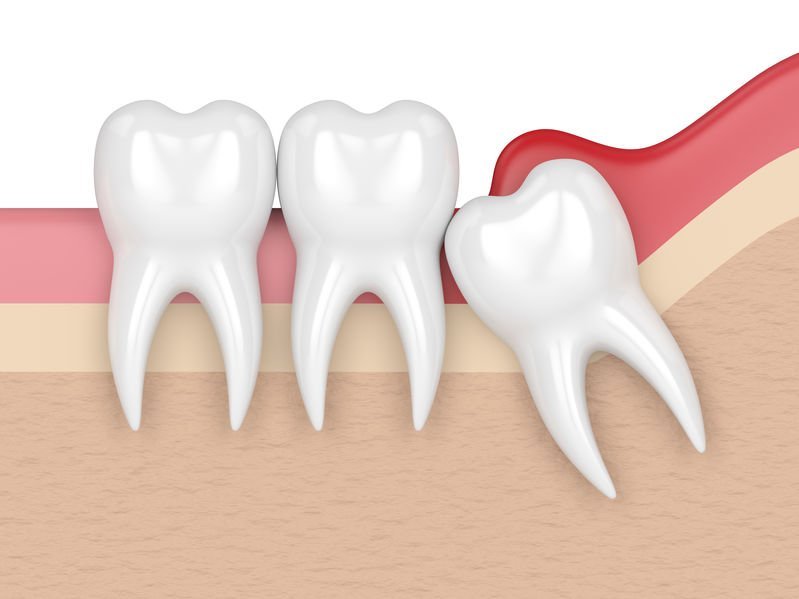
Wisdom teeth removal is the process of surgically removing one or more wisdom teeth, the last teeth located at each end of the upper and lower row of teeth. Wisdom teeth are vestigial teeth that used to be important for chewing and grinding food 10,000 years ago, but the changes in the lifestyle and the diet of modern humans have rendered wisdom teeth useless. The presence of these unused teeth in our mouth can cause lots of problems, some of which might affect the entire row of teeth and that can be most efficiently solved through the extraction of wisdom teeth. Here are some of these issues:
- Impaction – in some cases, the wisdom tooth has no room to erupt properly, therefore it grows underneath the surface of the gum. Such incorrectly growing wisdom teeth might push the other teeth in the row and they are susceptible to inflammations and infections, therefore they need to be removed;
- Decay – the location of wisdom tooth makes it very difficult to clean them, therefore wisdom teeth are more susceptible to severe tooth decay that can be solved only through extraction;
- Dental realignment – if the patient’s teeth need more space to be able to move and to align properly, the wisdom tooth might need to go to make room for the other teeth. Be sure to check out Skokie wisdom tooth removal for some of the best extraction services available.
What Is The Latest Technology for Dental Implants

Dental implants have been around for some time, but they are still considered to be the latest dental replacement solutions. However, even new technologies evolve, the materials used for making the implants, the manufacturing technologies as well as the procedures used for introducing the implant posts and abutments into the jawbone. Here are some advancements in the field of dental implants:
- More precise planning – the process of getting a dental implant needs careful investigation to determine whether the bone tissue in the area where the implant will be inserted is suitable for accepting the implant. The most advanced solution to determine that is through the scanning of the patient’s jaw. The scanners used run the most advanced software programs that provide clear images of the bone. Other programs can be used by the doctor during the implant surgery to get clear instructions regarding the correct depth and angle in which the post needs to be inserted;
- Advanced materials for crowns that integrate completely with the patient’s other teeth – these modern materials provide strength, durability and comfort while looking exactly like the patient’s natural tooth used to look like;
- Antibacterial coatings – these coatings are still not very commonly used, but they will probably increase in popularity as they prevent the deterioration of the implant caused by the acids generated by the foods and beverages consumed by the patient. See https://www.precisionosi.com/contact-us/highland-park-office/.
What Is Involved With Dental Bone Grafting
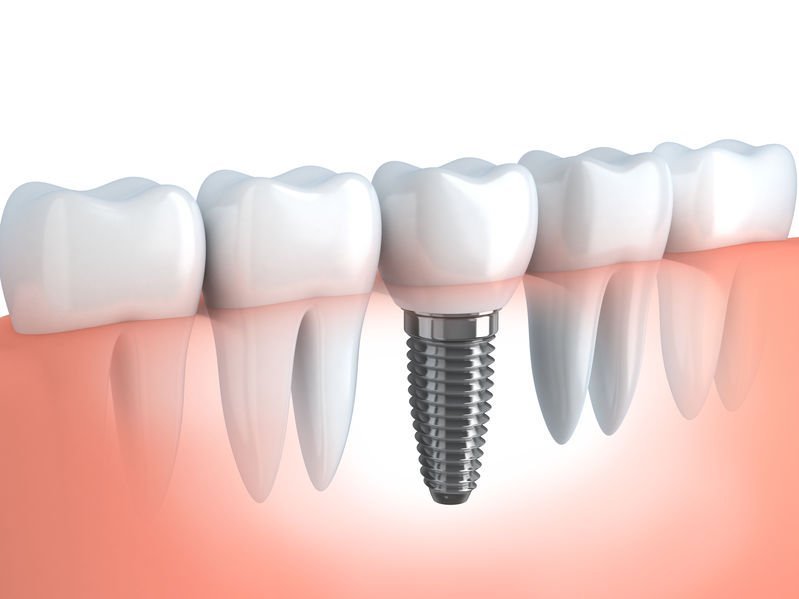
Bone grafting is a process used for enhancing the density and the structure of one of the patient’s bones using another piece of bone taken from the patient’s body. When used in dental implants Chicago treatment procedures, the piece of bone to be inserted is usually taken from the patient’s bone or from some other body area and the goal of the process is to enhance the structure of the jawbone to make it suitable for inserting one or multiple implants as well as for bridgework. If the patient’s own bones are not suitable for obtaining the graft, alternative solutions include the usage of cadaver bones and synthetic bone tissue.
Bone grafting has very important benefits in dental surgery. The procedure is relatively easy and the usage of the patient’s own bone reduces the risk of rejection and it also makes various dental treatments, such as implants, available to patients whose own bone structure would be otherwise unsuitable. The intervention causes very little discomfort to the patient – some swelling is possible in the grafted area, but most patients go through the intervention and the healing without experiences any pain or soreness. Bone grafting is today routine procedure, therefore it is available from many dental practitioners.
What is PRF and How Does It Help Dental Surgery Procedures

PRF is a natural product obtained from the patient’s venous blood and represents an advanced method of obtaining healing membranes that are used in dental interventions such as:
- Sinus lift
- Bone addition procedures
- Insertion of the dental implant
- Apical resection
- Cystectomy (cyst removal surgery)
Benefits:
- Rapid regeneration and healing, without any side effects – PRF membranes accelerate the healing process by stimulating angiogenesis (formation of new vessels) and resorption of inflammatory edema
- Because it is obtained from the patient`s blood, there is no risk of allergic reactions, so the rejection rate is 0 and the risk of transmitting infectious diseases is eliminated.
- 100% natural method (no addition of anticoagulants, calcium chloride or thrombin).
How are healing membranes obtained?
Following the Park Ridge dental implant consultation, the dentist decides if you are a candidate for PRF treatment. If you are, a small amount of venous blood is collected in one or more special tubes. The tubes are centrifuged to separate the plasma and fibrin from the other blood cells. After the centrifugation cycle, the tubes are placed in the stand for 5 – 10 minutes (time required for the formation of the PRF clot). The PRF curd is removed from the test tube and placed on a sterile perforated tray. Subsequently, an unperforated tray is applied over the curd for about 3 minutes, which causes the curd to dehydrate and the healing membranes to form.
What is Distraction Osteogenesis
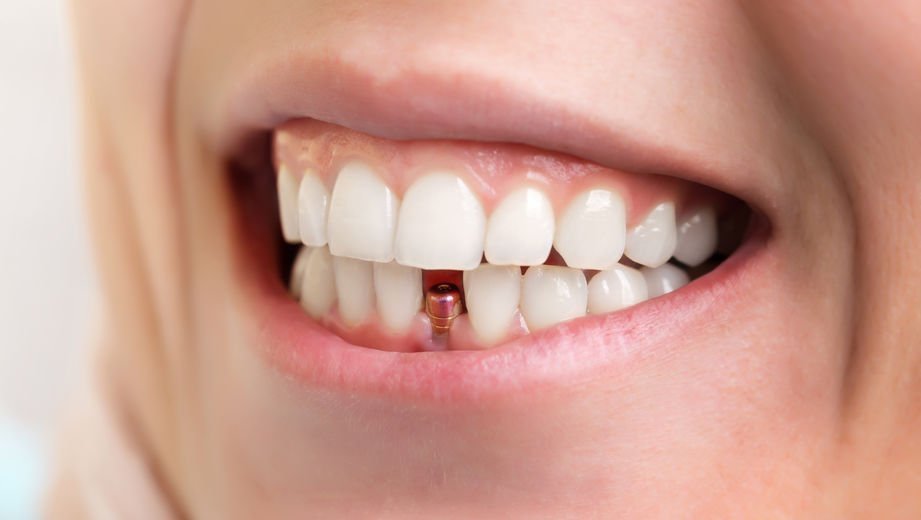
Bone additions represent the process by which the specialist repairs destroyed maxillary bone. If you want to have a dental implants Buffalo Grove offices do, but x-rays and/ or dental tomography show that you have a fragile, short or thin jaw due to bone loss, then surgery will be needed to perform the bone addition. Your jaw may show bone loss due to the physiological process of aging, wearing long-term mobile prostheses, missing teeth, periodontal disease, or as a result of an accident.
Vertical bone augmentation is currently one of the biggest challenges in oral implantology. The decrease of the vertical dimension of the alveolar ridge, in apico-coronary sense, associated with a deficit of soft tissue that can cover the graft or with a small surface available for revascularization prevents the proper insertion of the implants, without respecting the crown / implant ratio.
Many of the methods of augmenting the alveolar ridge have disadvantages. The use of autogenous bone grafts may be accompanied by bone necrosis or resorption, while guided bone regeneration is useful especially in the case of small alveolar ridge defects. The use of allogeneic materials also involves the risk of local infections.
Distraction osteogenesis thus becomes an alternative to alloplastic or autogenic augmentation with bone graft or guided bone regeneration, and platelet-enriched plasma (PRP) helps prevent complications, due to its antimicrobial and tissue repair properties.
What is the Longevity of a Tooth Implant?

A dental implant is nowadays considered to be the safest and most durable method of replacing a tooth. Implants allow the integrity of dental arches to be restored, thus eliminating the need to sacrifice healthy neighbor teeth in the process.
The resistance and comfort obtained make dental implants the best choice in the long run, even if they are more expensive upfront.
With a success rate of over 98%, statistically confirmed, it is not surprising that the dental implant Skokie area has become the main option for patients who have lost their natural teeth.
The question “How long does a dental implant last?” refers to the 2%.
First of all, it must be understood that the dental implant cannot be “rejected by the body”, because it is not a living, active tissue, but an inert, biocompatible material. Titanium, like zirconium, the materials from which dental implants are made, have a neutral behavior in the human body, so they cannot cause a reaction. The success of the dental implant consists, in fact, in its osseointegration – a process by which a rigid and asymptomatic fixation in the bone tissue of the implant is obtained and maintained.
The implant can last a lifetime, if patients take care of their teeth and health, vahe good dental hygiene, do not smoke excessively and schedule regular dental appointments for checkups and professional hygiene treatments.